


Sand & Gravel Plants
At MEP we don’t use fancy names or gimmicks, we produce plants that work.
We supply purpose-built sand and gravel plants to suit the customers’ requirements. We can also supply compact sand plants in capacities from 10 to 250 t/h if the application requires. Our plants are designed to maximise the quality and quantity of the product and minimise waste.
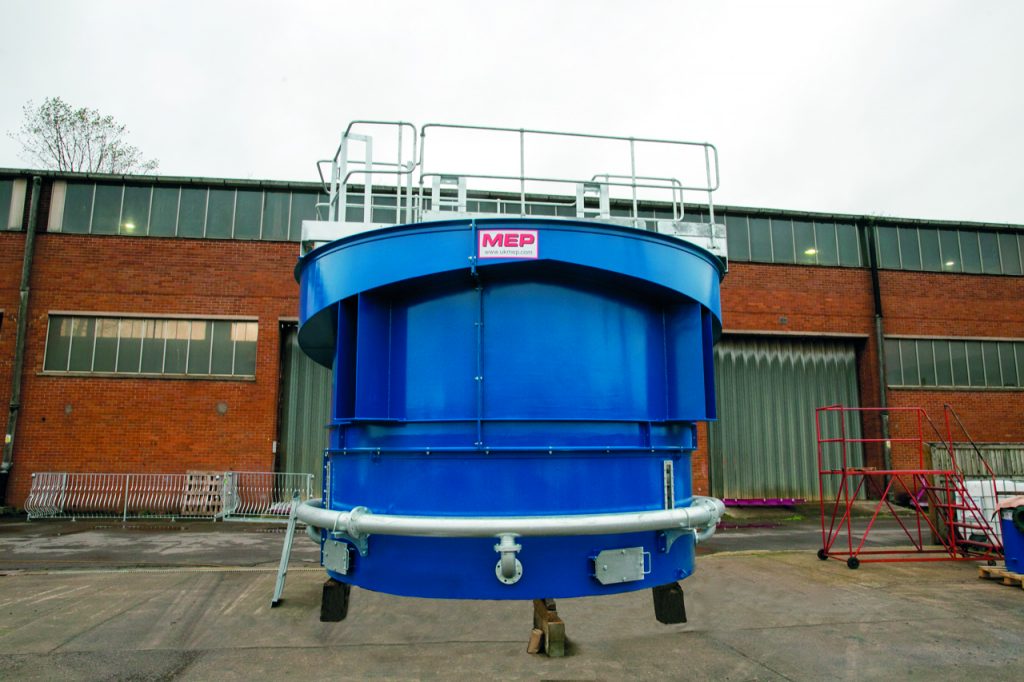
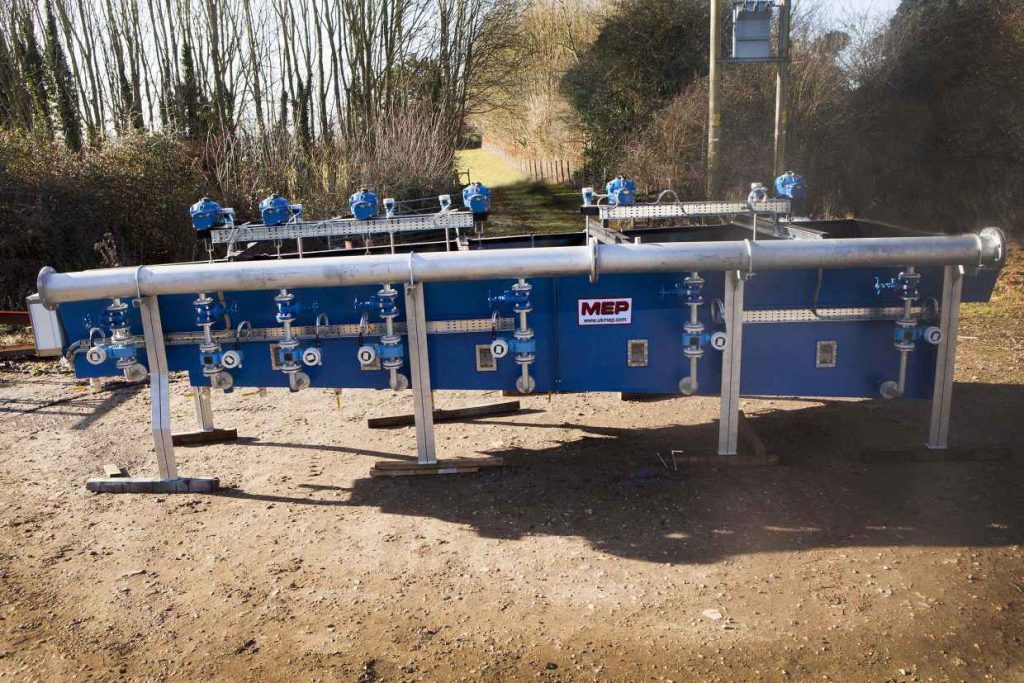
MEP Plants;
- Classify, de-contaminate, de-water, blend, stockpile and separate silt from water.
- Produce the required grades of sand without producing large quantities of waste or filling lagoons.
- Incorporate our proprietary tanks, sumps, cyclones, Hydrosizers, thickeners together with pumps and screens with a proven track record.
- We back up these claims as we only provide plants that have the capabilities and our customers know that satisfaction is guaranteed.
- We can also upgrade our competitor’s plant when they do not meet the required standard.
General Principles
- Sand plants generally receive the resultant water and sand as a by product of washing stone or gravel and vary enormously in their design and complexity. Before designing a sand plant, it is necessary to be able to determine the following criteria;
- Feed Rate
- Volume of associated water from the previous process.
- Grading of feed material including the coarsest and finest.
- Number and type of products required.
- Specification / grading of products.
The simplest plants comprise a sump, pump and cyclone mounted on a tower; these are only dewatering plants which skim off the silts. The upside is minimal capital and operating cost. The downside is a single product, with no adjustment and potential losses of saleable product. A dewatering screen could be added to reduce the drying time of products allowing stockpiling by conveyor.
The step up from this is a two stage cycloning plant, which typically makes a concreting sand and a residual building sand.

These plants do not produce close graded classified sands required for industrial specification, except by luck. To make close graded sands it is necessary to split the sand into a number of different grades which can then be blended back in the correct proportions to make specific sands.
To achieve this the TBS Hydrosizer are required, which is able to separate sand by size in a range of 0.85 to 0.075 mm.
Cyclones or Dewatering Screens are used to dewater products.
Sieve Bends can be used to remove any deleterious matter.
Satisfied customers include:
- Aggregate Industries
- Breedon Aggregates
- Brett Aggregates
- Cemex
- Hanson
- Tarmac
- Sibelco
